In the competitive skincare industry, product integrity is paramount. The efficacy of active ingredients can diminish due to exposure to air, light, and contaminants. This poses a challenge for brands aiming to deliver high-quality products. Why do airless plastic bottles help preserve skincare actives? They provide a closed-system design that minimizes air exposure, effectively extending the lifespan of sensitive compounds.
According to industry reports, skincare actives can lose potency quickly when air and moisture are introduced. For example, antioxidants can degrade by over 30% within weeks if stored improperly. By utilizing airless technology, brands can ensure that their formulations remain stable and effective for a longer duration. This innovation not only preserves ingredient integrity but also enhances consumer trust.
Despite the advancements, not all airless bottles are equal. Variability in manufacturing quality can lead to performance issues. Brands must carefully evaluate their options to avoid compromising product effectiveness. Understanding the nuances of airless packaging is crucial for both companies and consumers dedicated to skincare excellence.
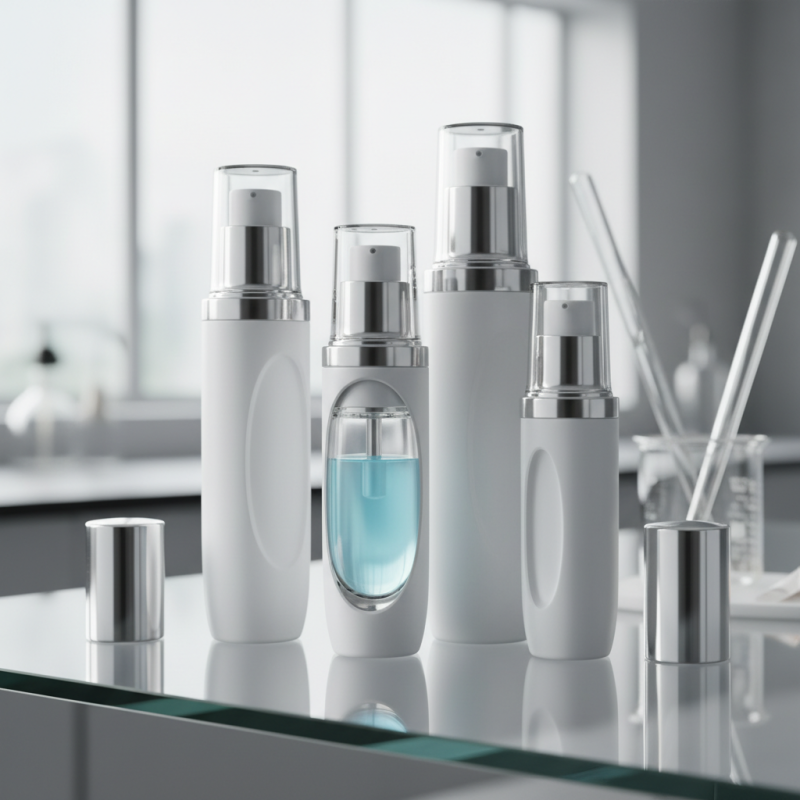
Airless plastic bottles are transforming how we preserve skincare actives. These bottles create a vacuum effect, preventing air from entering. This design minimizes oxidation, a process that degrades sensitive ingredients. Skincare formulations like vitamins C and E can lose efficacy with frequent exposure to air. Airless technologies ensure these compounds remain effective longer.
Using airless bottles can be cost-efficient too. They allow for precise dispensing, reducing waste. However, not all airless systems function the same way. Some might still contain air pockets, leading to product contamination. Selecting the right type is essential for skincare preservation.
It's crucial to acknowledge that, while airless bottles provide benefits, they are not foolproof. Certain formulations may still require additional protective measures. Understanding the specifics of the formulation alongside the packaging is vital. This attention to detail can greatly impact the effectiveness of the skincare product.
Airless plastic bottles have gained popularity for skincare products. They offer protection against contamination and oxidation. This is crucial for preserving the efficacy of active ingredients. The materials used in these bottles play a significant role in maintaining stability.
Common materials include PET and PP. These plastics are lightweight and sturdy. However, not all plastics are equal. Some may leach chemicals into the product over time. This can compromise the integrity of sensitive actives like vitamin C or retinol. Consumers should be aware of these risks.
Choosing airless bottles made from high-quality materials ensures longer shelf life for formulations. Brands must prioritize this in their packaging choices. However, it can be challenging to balance costs and quality. Not all manufacturers uphold rigorous testing standards. Consumers should seek transparency in packaging information to avoid potential pitfalls.
The skincare packaging industry is witnessing a significant shift toward airless technology. Recent market research indicates that the global airless packaging market is expected to grow at a compound annual growth rate (CAGR) of 10.5% from 2021 to 2026. This uptick aligns with the growing consumer demand for more effective skincare formulations.
One key advantage of airless bottles is their ability to preserve active ingredients. Exposure to air can degrade sensitive compounds, reducing product efficacy. Airless packaging helps maintain stability and extends shelf life, addressing consumers' concerns over potency. A study showed that products in airless packaging retained 90% of their active ingredients after six months, compared to 60% in traditional packaging.
While airless technology is promising, challenges remain. The initial cost for manufacturers can be higher due to innovative materials and design complexity. Moreover, some consumers may not fully understand how to use these products effectively, leading to potential waste. As the market evolves, educating consumers on the benefits and usage of airless packaging will be crucial for sustained growth in this sector.
Airless plastic bottles are increasingly popular for skincare products. They play a crucial role in preserving the integrity and longevity of active ingredients. By minimizing exposure to air, light, and contaminants, these bottles help maintain the effectiveness of formulations. This design prevents oxidation, which can degrade sensitive ingredients like vitamins and botanical extracts.
Using airless bottles has performance metrics that standout. A vacuum mechanism ensures that every pump dispenses the same amount of product, reducing waste. This consistent dosage keeps user experience sustainable and effective. The opaque materials commonly used further block ultraviolet rays, protecting contents from harmful light degradation.
Tips: Always check the design of your airless bottle. A well-constructed one should feel solid and dispense easily. Store the bottle in a cool place, away from direct sunlight, to enhance its longevity. If you notice any changes in the product’s texture or smell, reconsider its usage. Your skin deserves the best, but not all products retain their quality.
This chart illustrates the performance metrics of the best airless plastic bottles available in 2026, focusing on key aspects that ensure product integrity and longevity. The percentages reflect the effectiveness of each feature in preserving skincare actives.
The skincare industry is seeing a significant shift towards airless packaging. This change stems from consumer preferences for products that maintain ingredient integrity.
Airless bottles provide a barrier against air, light, and contaminants, extending the shelf life of skincare actives. Many users seek products that deliver results without compromising quality due to oxidation.
Tips: Choose brands that prioritize airless packaging. This not only preserves key ingredients but also supports your skincare routine. Look for clear labeling about the technology used. It’s essential to research if the product meets your needs in terms of stability and efficacy.
With the rising demand for cleaner formulations, packaging matters more than ever. Consumers are increasingly informed about what goes into their products. Yet, some brands struggle to adopt airless technology efficiently. This can lead to confusion about their efficacy. Always reflect on your personal skincare journey and what works best for you. Opting for airless solutions can feel like a leap, but it's a step worth considering in your skincare routine.
: Airless plastic bottles prevent air from entering, creating a vacuum effect. This minimizes oxidation of sensitive ingredients.
They help maintain effectiveness by reducing exposure to air, light, and contaminants. Sensitive actives remain potent longer.
No, some may still have air pockets. This can lead to contamination. Choosing the right type is important.
They dispense a consistent amount of product, reducing waste. The opaque materials block harmful UV rays too.
Keep it in a cool place, away from direct sunlight. This helps in preserving the product's quality longer.
If you notice any changes, reconsider its usage. Quality may be compromised, and your skin needs the best.
Many prefer products that maintain ingredient integrity. Airless packaging helps extend shelf life, which consumers value.
Look for brands that clearly label their technology. Research stability and efficacy to meet your skincare needs.
They aren’t foolproof. Some formulations may still need additional protective measures to ensure effectiveness.
Consider your personal skincare journey and what works best for you. It’s essential for effective skincare choices.
Airless plastic bottles have emerged as a vital innovation in the skincare industry, primarily due to their ability to preserve active ingredients effectively. Why do airless plastic bottles help preserve skincare actives? The design minimizes exposure to air, light, and contaminants, which can degrade potent compounds. This unique packaging solution not only protects the integrity and efficacy of the product but also extends its shelf life, ensuring consumers receive the full benefits of the formulation.
As the demand for effective skincare increases, brands are increasingly adopting airless technology, influenced by market trends and consumer preferences. This transition reflects a growing awareness of the importance of packaging in maintaining product quality and performance metrics, solidifying airless bottles as the preferred choice for both brands and consumers looking for reliability in skincare preservation.
