Most of us have faced the same small frustration: a pump bottle stops working while lotion still clings to its sides. The container looks empty, yet several applications may remain inside. This leftover product can feel wasteful, especially when the lotion is expensive, handmade, or nearly impossible to replace.
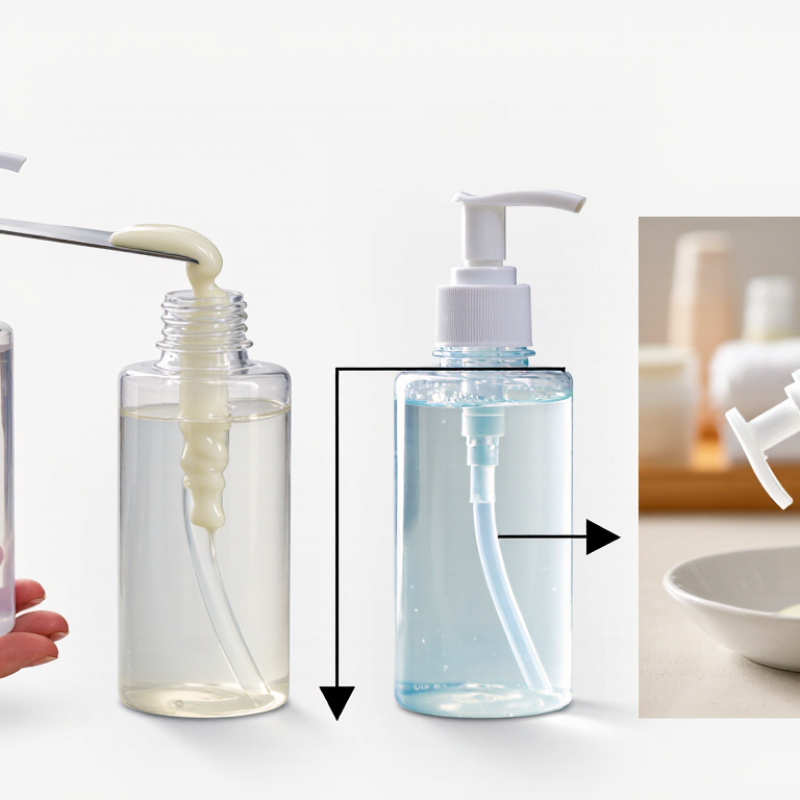
Learning How to get the last bit of lotion out of a plastic pump bottle starts with understanding the packaging. The pump may stop reaching the product when the lotion becomes thick or settles unevenly. Tapping the bottle gently can move the lotion toward the opening. Removing the pump may also reveal a narrow layer around the neck. A clean spatula or cosmetic scoop can help collect it. Keep the tool dry and clean.
Do not force the pump aggressively. It may crack, bend, or introduce dirt into the lotion. Some bottles also use internal valves that make complete removal difficult. I once assumed turning a bottle upside down solved everything, but a loose cap caused a messy leak. That method needs care. Store the bottle over a small dish, not directly on a towel or wooden surface.
Check the lotion before reusing it. Changes in smell, texture, color, or separation may signal that it should be discarded. Product labels often provide useful storage guidance. With patience and simple hygiene, you can recover more lotion without damaging the packaging or compromising product quality. Even then, a little residue may remain. That is normal.
Start by examining the container, not by cutting it open. Hold it near a window and look for streaks along the shoulders, seams, or pump tube. A quick shake also helps. If the container still feels heavy, product may be trapped below the pump. I often mistake a heavy cap for usable lotion. It is an easy error.
The package shape reveals the best recovery method. For a pump bottle, remove the pump and tap the container upside down over a clean dish. For a soft tube, roll it from the sealed end and scrape the nozzle gently. Do not add water. That can alter the formula and encourage contamination. A small kitchen scale can compare the empty package with its current weight. This is imperfect, but more reliable than guessing.
Packaging waste makes this check worthwhile. The OECD’s Global Plastics Outlook reports that packaging represents about 40% of global plastic waste. The U.S. EPA’s 2018 Facts and Figures estimated that only about 14.6% of plastic packaging was recycled. These figures support careful use before disposal. If the lotion smells sour, changes color, separates badly, or feels gritty, discard it. Visible residue does not always mean safe product. Clean the container according to local recycling guidance, since pumps and mixed materials may require different handling.
Prepare a clean, dry workspace before opening any lotion container. You will need a cosmetic spatula, paper towels, and a small airtight container. Wash your hands, then dry them completely. Moisture can encourage microbial growth inside the remaining lotion.
For a pump bottle, remove the pump and inspect the opening. A clean spatula can reach the lotion stuck around the inner walls. Do not add water to loosen it. Water may change the formula and reduce its shelf stability. For a soft tube, carefully cut across the lower section with clean scissors. Watch the sharp edges. Scoop the remaining lotion into the airtight container immediately.
Use only tools that are smooth, dry, and free from food residue. Avoid dipping used fingers into the stored lotion. Instead, use a small spatula each time. Mark the transfer date on the container, and follow the original product’s expiry guidance when possible. Check the lotion before use. An unusual smell, color change, separation, or grainy texture means it should be discarded.
I once saved lotion in an uncovered dish and noticed its texture changed overnight. That small mistake reminded me that convenience is not the same as safe storage. I still leave a little behind sometimes. Scraping too aggressively can damage the container or introduce debris. Getting nearly all the lotion out is useful, but cleanliness matters more than complete recovery.
I used to squeeze an “empty” lotion bottle until my hands hurt. The product often remained along the inner walls instead. Gravity offers a cleaner and more reliable approach. Place the closed container upside down for several hours, preferably overnight. Keep the cap facing downward on a clean tissue. This position lets the lotion slowly collect near the opening.
Wait a little longer. Thick formulas move slowly, especially in cool rooms. After the lotion settles, tap the container gently against your palm. Avoid hitting it on a hard counter, because cracks can develop around the cap or seams. Then press the bottle softly from the middle toward the opening. Small, repeated pressure works better than one forceful squeeze. I sometimes roll a soft bottle between my hands, but this method is not ideal for every container.
For pump bottles, remove the pump only if the packaging allows it easily. A clean spatula can reach residue near the shoulder, but it should be dry and thoroughly washed first. Do not add water inside the container. Dilution can change the lotion’s texture and reduce its stability. I have found that patience saves more product than aggressive squeezing. Still, gravity cannot solve everything. If the lotion smells different, changes color, or feels unusually grainy, using it may not be worth the risk.
Getting the last bit of lotion out is useful, but transferring it carelessly can contaminate the product. A clean transfer matters more than saving every drop.
Wash and dry your hands before opening the container. Use a freshly cleaned, fully dry spatula or small cosmetic scoop. Avoid kitchen utensils that may carry food oils or residue.
Scrape the remaining lotion from the original container onto a sanitized, airtight container. A narrow opening helps reduce contact with dust and fingers. Keep the scoop above the new container, not resting on the counter.
Do not touch the lotion directly. Never put used lotion back into the original container. One touch can introduce bacteria, skin cells, or water.
Work quickly. Store the transferred lotion according to its original instructions, away from heat, sunlight, and bathroom steam.
Label the new container with the transfer date. Check its smell, color, and texture before each use. If anything changes, discard it.
Lotion near the end may already be less stable.
I once used a clean-looking jar that still held a little moisture. The lotion separated within days. That mistake was avoidable.
A dry container is essential, even when it appears spotless. Some thick formulas are difficult to scrape without air exposure.
In that case, using the remaining product directly may be safer than transferring it. Saving lotion should not create a hygiene problem.
Getting the last bit of lotion out is only useful when the recovered product stays clean. For a soft tube, cut it across the middle with sanitized scissors. Scrape the remaining lotion into a small, clean, airtight container. Do not use your fingers. They can transfer moisture, dust, and bacteria.
Store the recovered lotion according to its original directions. Keep it away from direct sunlight, heaters, and steamy bathroom shelves. A cool, dry drawer is usually safer. Label the container with the transfer date.
Use a clean spatula each time, and keep the lid closed between applications. Avoid adding water, oils, or other products. Even a small amount can change the formula and encourage microbial growth.
Tips:
Recover only what you can use soon. A small amount is easier to protect than a full jar. Check the lotion before every use.
A sour smell, separated texture, unusual color, or gritty feel means it should be discarded.
If the product touches an unclean surface, I would not return it to the container. That feels wasteful, but safety matters more.
Patch-test recovered lotion on a small skin area if its texture or storage conditions have changed.
Do not share it with others, even when it looks normal.
Use a clean cosmetic spatula, dry paper towels, clean scissors, and a small airtight container. Keep the workspace dry.
Remove the pump and inspect the opening. Use a dry spatula to scrape lotion from the inner walls. Do not add water.
Cut across the lower section with clean scissors. Watch the sharp edges. Scoop the remaining lotion into an airtight container immediately.
Moisture can encourage microbial growth and change the lotion’s stability. A jar may look spotless but still contain hidden moisture.
Wash and dry your hands first. Use a freshly cleaned spatula. Keep it above the container, and never touch the lotion directly.Keep it clean.
Follow the original storage guidance when possible. A cool, dry drawer is usually safer than a sunny or steamy bathroom shelf.
Recover only an amount you can use soon. Mark the transfer date, and follow the original expiry guidance. The remaining lotion may be less stable.
Discard it if it develops a sour smell, unusual color, separation, or gritty texture. Do not try to repair it.
Not always. Thick lotion may become exposed to air during scraping. Using it directly can sometimes be safer than careless transfer.
Do not add water, oils, or other products. Do not use kitchen utensils, uncovered dishes, or used fingers. I still leave a little behind sometimes.
Getting the last bit of lotion from a container is simple when you work carefully and hygienically. First, inspect the bottle to determine whether the product is trapped near the bottom, along the sides, or inside the pump mechanism. If you are wondering How to get the last bit of lotion out of a plastic pump bottle, begin by removing the pump only when possible and gathering clean tools, such as a small spatula, spoon, or funnel. Place the container upside down and allow gravity to move the lotion toward the opening, then use gentle tapping or light pressure to help it along without damaging the package.
Transfer the remaining lotion into a clean, airtight container while avoiding contact with unwashed surfaces. Do not mix it with water or other products, as this may affect its texture and cleanliness. Label the recovered lotion if needed, close it securely, and store it according to its original care instructions. Use it promptly and check its appearance, scent, and texture before application.
