In the beauty industry, sustainability is more crucial than ever. With the rise of eco-conscious consumers, understanding how to recycle PCR plastic bottles in your beauty routine is essential. Industry expert Dr. Jane Roberts emphasizes, “Every small step in recycling makes a big difference for our planet.” This statement highlights the importance of taking responsible actions with products we use daily.
Recycling PCR (Post-Consumer Recycled) plastic bottles is not only beneficial for the environment but also for your beauty regimen. Imagine transforming your beauty routine by incorporating these recycled materials. For instance, using a face mist stored in a PCR bottle can bring freshness while fostering a greener planet. However, many consumers feel overwhelmed by the recycling process. It is not just about discarding bottles; it's about rethinking their use.
Incorporating PCR plastic into your routine can be simple yet effective. Consider reusing containers for storing homemade beauty mixtures. This innovative approach reduces waste significantly, but it requires awareness and creativity. While the journey toward sustainability may have hiccups, each effort counts. Ultimately, understanding how to recycle PCR plastic bottles in your beauty routine empowers us all to contribute positively to our environment.
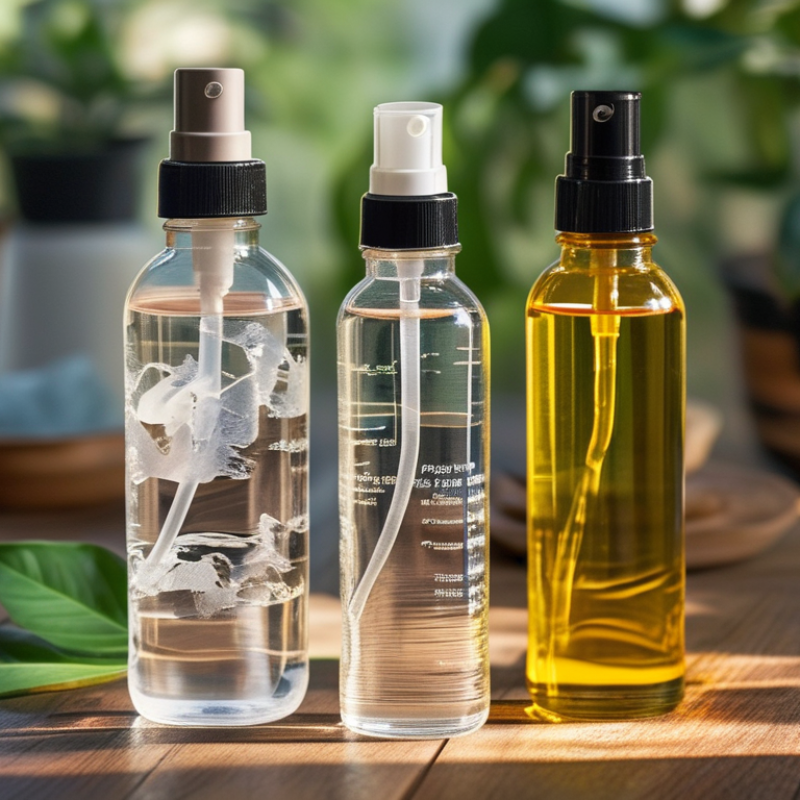
PCR (Post-Consumer Recycled) plastic bottles are gaining traction in the beauty industry. A recent report from the Ellen MacArthur Foundation notes that recycling reduces the need for virgin plastic. This shift could lower greenhouse gas emissions significantly. In fact, using recycled plastics can reduce carbon footprint by about 70%.
Integrating PCR plastic bottles into your beauty routine benefits both the environment and consumers. These bottles often preserve product integrity just as well as traditional plastics. According to a survey by the Sustainable Packaging Coalition, consumers are 75% more likely to choose brands using sustainable packaging. This shows a clear market trend favoring eco-friendly practices.
However, challenges remain. The availability of high-quality PCR materials fluctuates, impacting production quality. Brands need to navigate this to maintain product efficacy. Moreover, not all consumers fully understand the benefits of PCR plastics. Education on sustainability and informed choices is crucial for driving further adoption. Emphasizing transparency can build trust and encourage more sustainable habits.
| Recycling Method | Benefits | Usage in Beauty Routine |
|---|---|---|
| Use as a Plant Watering Bottle | Helps in sustainable gardening | Watering indoor plants |
| DIY Hair Spray Bottles | Cost-effective and eco-friendly | Creating customized hair sprays |
| Makeup Brush Holder | Organizes beauty tools neatly | Storing makeup brushes |
| Recycling for New Packaging | Reduces environmental impact | Supporting brands that use recycled materials |
| Crafting Projects | Encourages creativity | Creating DIY beauty-related crafts |
| Face Mist Containers | Maintains product integrity | Homemade face mists |
| Travel Size Container | Convenient for travel | Storing travel-sized beauty products |
| Bath Salt Holder | Eco-friendly storage solution | Storing homemade bath salts |
| Sample Product Containers | Encourages product sharing | Storing and sampling beauty products |
| Lip Balm Containers | Reduces plastic waste | Homemade lip balms |
: PCR stands for Post-Consumer Recycled. They are made from recycled plastics.
Using PCR bottles reduces the need for virgin plastic and lowers greenhouse gas emissions significantly.
They can preserve product integrity effectively, just like traditional bottles.
Brands using sustainable packaging can attract more consumers, promoting eco-friendly practices.
The availability of high-quality PCR materials fluctuates, affecting production quality and efficacy.
Rinse with warm water, soak with biodegradable soap, then sterilize by boiling for 10 minutes.
You may need to repeat the cleaning process or try a diluted vinegar solution.
Yes, proper drying prevents mold growth and ensures hygiene for safe reuse.
Store them in a cool, dry place away from direct sunlight for best results.
Not everyone is aware of PCR advantages; education and transparency are crucial for acceptance.
Recycling has become an essential part of sustainable beauty practices, and understanding "how to recycle PCR plastic bottles in your beauty routine" can significantly reduce environmental impact. First, using PCR plastic bottles in beauty products provides numerous benefits, such as reducing waste and conserving resources. Creative repurposing ideas include transforming old bottles into skincare containers or organizing tools, allowing consumers to give new life to their plastic waste.
Additionally, DIY beauty tools made from recycled PCR plastic can enhance personal care routines. It’s important to know how to properly clean and prepare these bottles for reuse, ensuring they are safe and hygienic. More beauty brands are embracing PCR plastic, reflecting a growing trend towards sustainability. By integrating these practices, you can contribute to a greener beauty routine while enjoying the versatility of recycled materials.

 Vikas Plastic